The Blue Economy: Cold-Water Wild Fisheries & Regenerative Mariculture
From the glacial rivers of Bristol Bay to the sub-surface kelp canopies of Cascadia, our maritime desk investigates ocean ecosystems where zero-bycatch hook-and-line practices protect marine biodiversity while delivering the world's most potent anti-inflammatory omega-3 lipids.
Zero-Bycatch Hook & Line
Circle hooks deployed from small family-owned trollers retrieve fish alive without destroying fragile benthic seafloor corals or ensnaring marine mammals.
Zero-Input Kelp Forests
Sugar kelp and bull kelp mariculture require zero fresh water, arable land, or synthetic fertilizers while de-acidifying coastal waters and providing essential nurseries.
Microplastic Assays
Every featured catch is independently screened using Raman spectroscopy to verify zero bioaccumulation of synthetic polymers and industrial heavy metals.
Maritime Investigative Dispatches
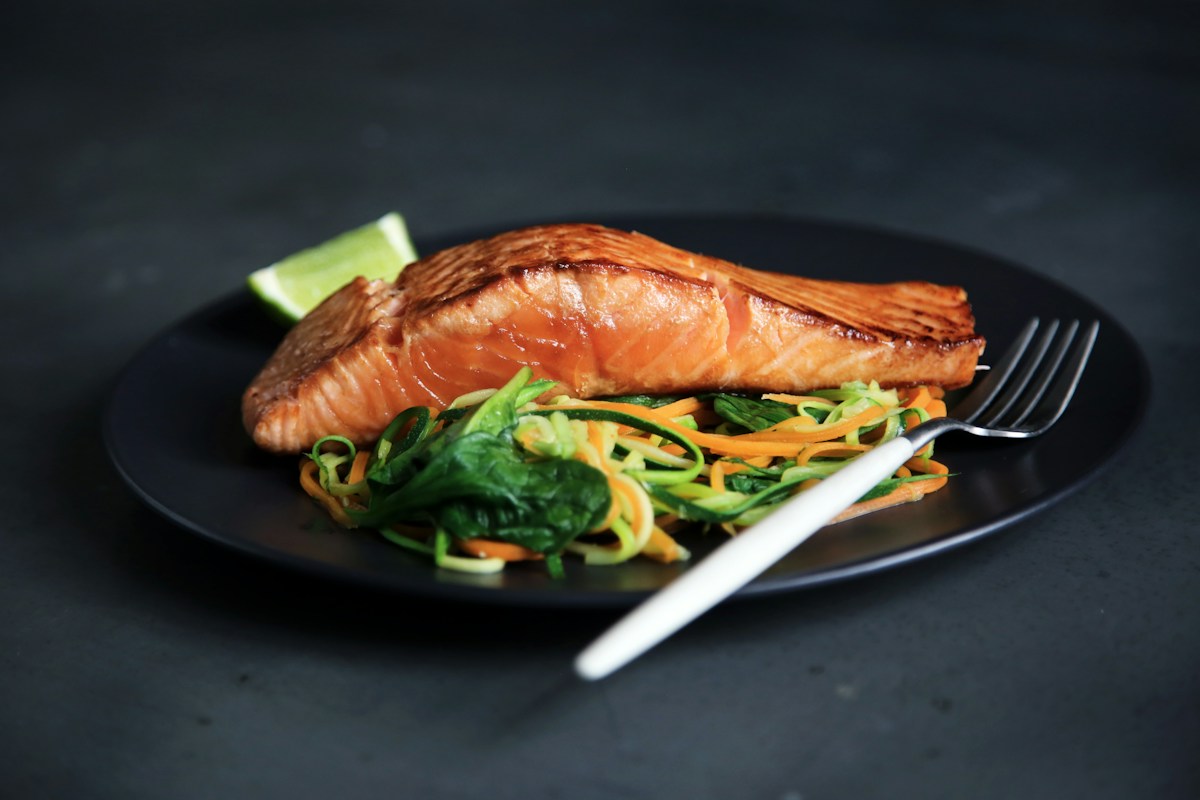
The Bristol Bay Sockeye Miracle: Why Pristine Watersheds Produce Superior Omega-3 Density
In the sub-arctic waters of Southwest Alaska, Bristol Bay hosts the greatest wild salmon run left on planet Earth......
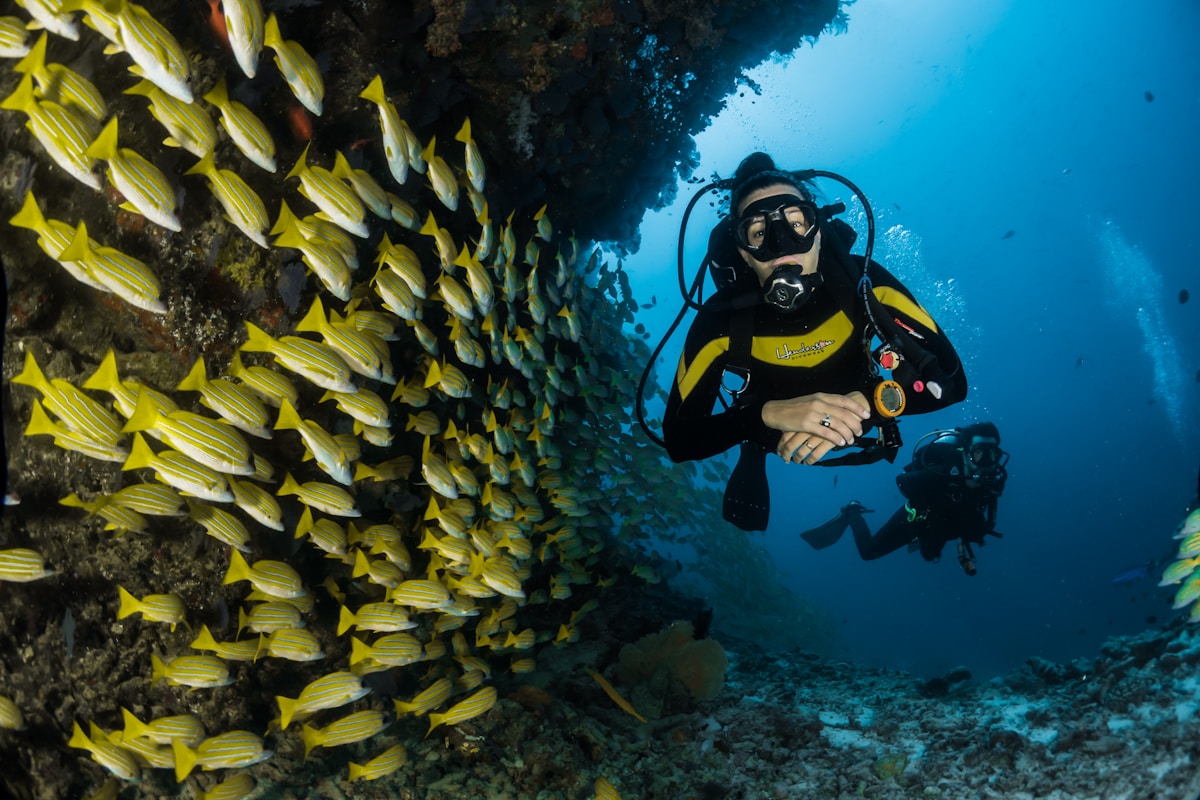
Deep-Water Kelp Forests: Regenerative Mariculture and the Blue Economy Along the Cascadia Margin
Along the wave-swept rocky inlets of the Pacific Northwest, sugar kelp and bull kelp are redefining marine stewardship......